The Power Pose (or: The Case for a Cape)
Mar 13, 2026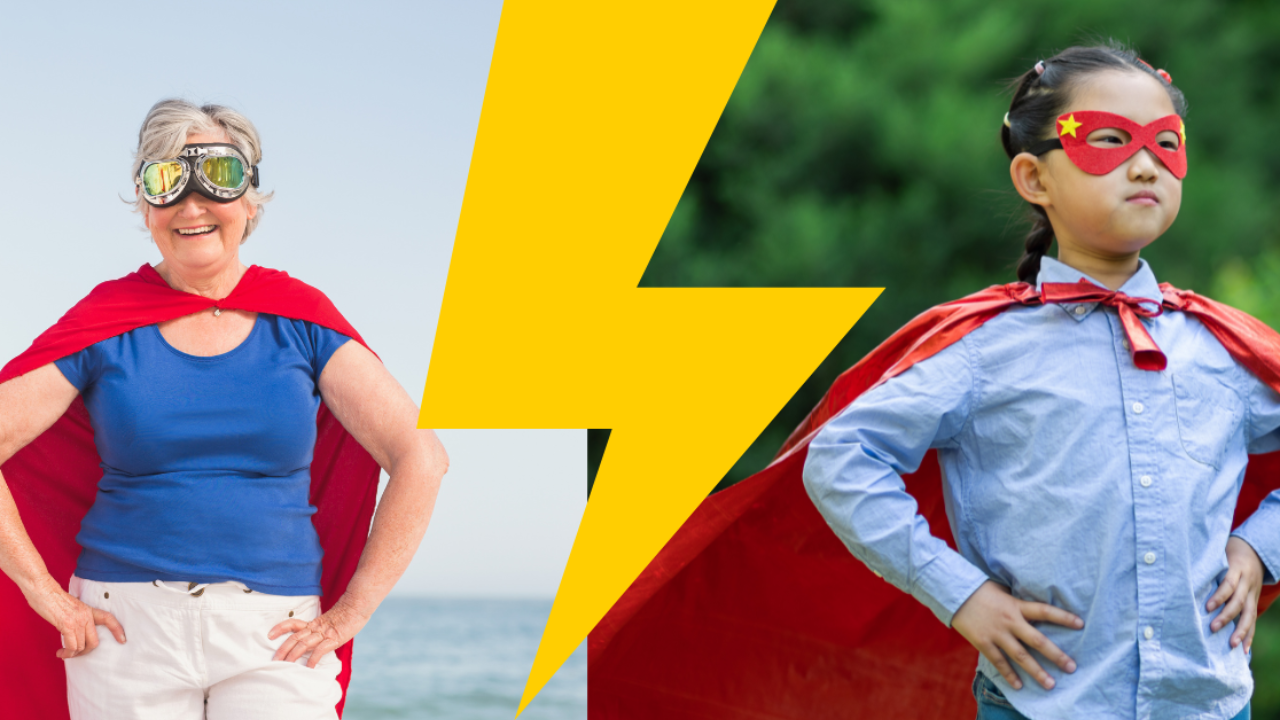
I first heard about the power pose in a Peloton yoga class with Kirra Michel—one of those classes that quietly ambushes you. You sign on thinking you’re there to stretch your hips and survive another workday, and instead someone says something that follows you around for weeks like a lyric you can’t stop humming.
She was talking about posture and presence, about the way we carry ourselves through the world, and how often—especially as women—we make ourselves smaller without realizing it. She described standing tall, feet grounded, arms open. A shape that looks faintly absurd if you catch your reflection mid-pose and oddly brave if you don’t. The idea was simple: sometimes your body has to go first. Sometimes strength isn’t something you wait to feel; it’s something you practice.
Because I am who I am, a deeply earnest Type A person with a lifelong allergy to vague wellness advice, I went home and looked it up. I watched the TED Talk by Amy Cuddy. I read enough to understand where the idea came from and enough to reassure myself that this wasn’t total nonsense, while stopping short of turning it into a personality trait or a dinner-party lecture. The research, like most research worth paying attention to, has evolved over time. Some of it has been debated, some refined, some misunderstood. But the core idea stuck with me anyway, not as a promise that posture alone could fix anything, but as permission to try something small and embodied when everything else felt overwhelming.
And the timing mattered more than I realized.
When the power pose found me, I was deep in recovery from osteomyelitis, an infection in my bone that followed multiple knee surgeries and nearly cost me my leg. This was not a metaphorical rebuilding season. I was relearning how to stand. How to trust my body again. How to find strength when strength felt like something I used to have, in a previous life, with two functional knees and a sense of invincibility I hadn’t yet lost.
Recovery at that point was not inspirational. It was fluorescent. It smelled faintly of disinfectant and effort. Progress was measured in tiny increments: one more degree of motion, one more lap, one more exercise that felt impossible until it didn’t. I spent so much time in physical therapy that my physical therapist Emily is now saved in my phone simply as Emily. No last name. No credentials. Just mutual trust, shared suffering, and an alarming familiarity with each other’s schedules.
Somewhere in that PT gym, between balance drills and exercises that required more faith than coordination, I started standing in a power pose. Not because I felt powerful, I very much did not, but because it reminded my body that we were still in conversation. That I could take up space again. That I was upright, intact, and still here.
From there, the power pose spread.
I brought it into the clinic with my patients, women who had spent years apologizing for their symptoms, minimizing their pain, and shrinking themselves to fit into exam rooms that were never designed to hold the full weight of their lives. We laughed about it first, because laughter makes things less threatening, and then we stood. Together. Just for a moment. Long enough to feel how unfamiliar it was to stop folding inward.
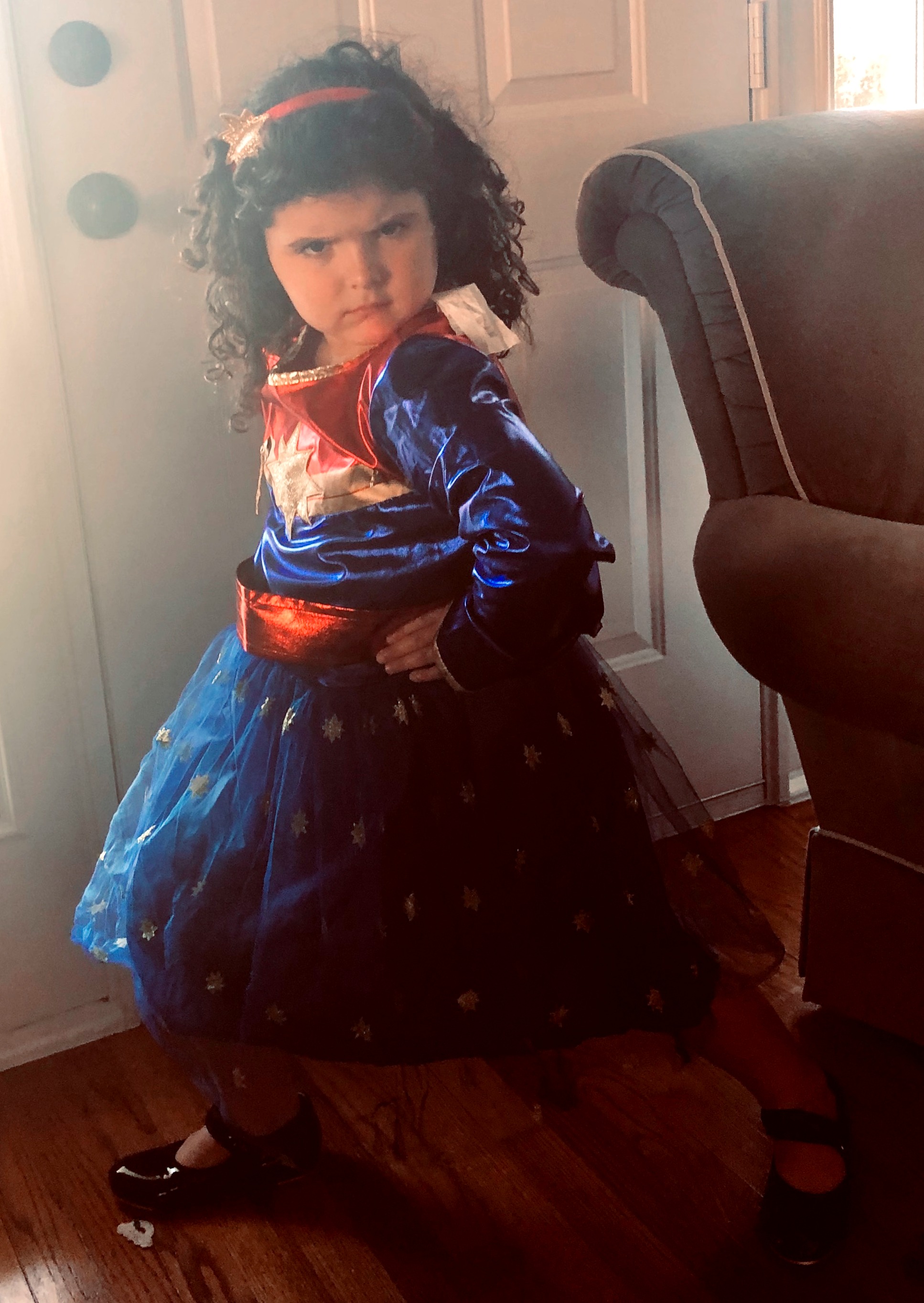
I brought it home to my children, who were toddlers at the time and therefore the most reliable arbiters of truth I have ever met. They took one look at the pose—hands on hips, feet planted—and immediately identified the problem.
“You need a cape,” they told me.
This was not a suggestion. This was a correction.
So we found one. Or several. Towels worked best. Blankets were acceptable. A bathrobe made a few appearances, which dramatically altered the tone and possibly my dignity. Suddenly the power pose wasn’t just about posture; it was about commitment. About leaning all the way into the moment. About honoring the fact that if you are going to stand tall in your living room, you might as well do it with flair.
We stood there together, capes flapping dramatically in the HVAC breeze, legs wide and expressions serious, like a family of extremely small superheroes whose powers were unclear but whose confidence was non-negotiable. And the thing that surprised me was how right they were. There is something about letting yourself be a little ridiculous that makes strength more accessible. Less solemn. Less performative. More human.
What I came to understand is that the power pose was never about pretending to be something you’re not. “Fake it till you make it” has always felt like advice given by someone who has never been truly afraid. This wasn’t about bluffing. It was about access. About creating a physical pause in which you could remember that strength already exists inside you, even if it’s buried, even if it’s bruised, even if you haven’t needed to call on it in a long time.
Sometimes that pause is what helps you leave a relationship that no longer fits. Sometimes it’s what steadies you before you write the email that says no, or the op-ed that might make people uncomfortable, or the sentence you’ve been practicing saying out loud in your car before work. It doesn’t do the hard thing for you. It just reminds you that you are allowed to stand there while you decide.
And now, as I sit here about to press submit on this essay, I am standing in my power pose again. Because being vulnerable is hard. Because putting something honest into the world always carries risk. Because even when you believe in your words, the instinct to shrink can be loud.
So, I’m standing. Feet planted. Shoulders back. No cape today—this is a public offering—but the spirit of one, absolutely.
Not because I’m pretending to be powerful.
But because I’m reminding myself that I already am.
Also, because if my children were still toddlers, they would be extremely disappointed in me for submitting this without a cape.
Join our mailing list to receive the latest news and updates from Selfority.
We hate SPAM. We will never sell your information, for any reason.
Author